
Community Health & Wellness
Blood banks scrambling after winter storms disrupted donations
Arriving at the Bloodworks NW’s Silverdale donation center late Thursday morning, Meg Hall is thrilled to see a full parking lot. A half dozen people are already inside the small office building, ready to donate their blood and platelets.

Health & Wellness Sponsor
Health and Wellness stories are made possible in part by Virginia Mason Franciscan Health, a proud sponsor of Gig Harbor Now.
Blood donations generally slow down after the holidays each January, said Hall, Bloodworks director of community engagement. This year is no exception, and the environment has been made worse by the atmospheric river and record flooding that rocked the region throughout December.
Amid a severe shortage of blood and thousands of unfilled donation appointments in the next month, Bloodworks NW issued a “Code Red” alert this month, encouraging donations. The alert indicates a one- to two-days supply of critical blood types and platelets. Type O blood and platelets are in particularly high demand.
“One donation can save up to three lives,” Hall said. “[Donating] takes such a small amount of time and it makes a huge impact.”

Collection specialist Karley Marter, center, removes the collection bag and tubing from donor Mandeep Dhawan, left, after his donation at BloodworksNW in Silverdale on Wednesday, Jan. 28.
Demand and supply
Nearly every hospital in Western Washington and Oregon, including those on the Kitsap and Olympic Peninsulas, receive donations from BloodworksNW, one of three blood banks in Washington. Hospitals use blood and its components for transfusions, surgeries and treating conditions like anemia, blood disease or cancer.
A spokesperson for Virginia Mason Franciscan Health told the Kitsap Sun and Gig Harbor Now that their hospitals, including St. Michael Medical Center and St. Anthony Hospital, did not appear to be impacted.
Code Reds are determined primarily based on the number of unfilled donation appointments, Hall said. A transfusion specialist at BloodworksNW projects blood supply demands every day, based on things like scheduled surgeries, and determines upcoming needs.
As of last week, Bloodworks Northwest has about 38,000 open slots through the end of February, according to the state Department of Health. Nearly 23,000 of those must be filled by Feb. 14 to stabilize the blood supply.

A donor gives blood at BloodworksNW in Silverdale on Wednesday, Jan. 28.
National blood shortage
Bloodworks NW and The American Red Cross have both brought in blood from other regions to meet the local need. It is a standard but unsustainable practice. While collaboration among blood banks nationally is common, particularly during traumatic events like storms, Hall says each bank remains accountable for local needs first. That, she said, makes it important for Washington to have its own healthy supply of blood donations.
Washington, though, is also far from the only state low in donations. Blood remains in short supply across the country. The American Red Cross issued a severe blood shortage on Jan. 20, reporting that the nation’s supply had fallen by 35%. The agency says an active flu season and strong winter weather have put many donors on the sidelines and canceled donation events.
Winter weather in December impacted 400 blood drives, causing thousands of donations to go uncollected, according to the Red Cross. Another 500 were canceled since Jan. 23. Bloodworks NW canceled at least 10 drives in Washington due to the atmospheric river and subsequent floods.
“This time of year is always challenging for blood collection — but right now, the perfect storm of a long holiday season, record flu activity and winter weather are all impeding donation efforts,” Dr. Courtney Lawrence, executive medical director for the Red Cross, said in a press release.
Regular donors keep supply healthy
Larry Bleich, a community volunteer leader for the Red Cross’ South Puget Sound and Olympics chapter, said Washington does not appear to be as impacted as other parts of the country. But he cautioned there is still a need to increase the local blood supply, noting the impacts it has on physicians’ decision-making.

A blood donor looks at a pamphlet about donating platelets at BloodworksNW in Silverdale on Wednesday, Jan. 28, 2026.
“If there’s not blood available, doctors have to make decisions about who gets blood transfusions and who needs to wait,” he said. “They’ll triage people.”
Bleich, who is from Gig Harbor, runs about 30 to 40 blood drivers per year in Pierce County. That includes regular drives held at the Gig Harbor Civic Center. Those events, he said, grow the base of donors in the area.
Individuals can donate blood every 56 days. Having residents who donate regularly is tremendously important, he said, because blood has a shelf life. Whole blood and red cells can be stored for about a month, according to the Red Cross. Platelets, which control bleeding in the body and can be used for chemotherapy treatments, last only about five days.
Regulars remain
Fewer people, though, are donating blood regularly than they have in previous generations, said Hall, the Bloodworks director. Only about 3% of the population donates blood each year, according to the Red Cross. Still, many people donate regularly, she said.
Shannon Stone, a 42-year-old who works as a hairdresser in Silverdale, is one of them, donating for close to 20 years. At 19, Stone was in a serious car accident near Sumner. She was 38 weeks pregnant with her son, Robert. With type O-negative blood, Stone’s body can only accept her own blood type. After making a recovery, Stone said the thought of not being able to get the blood she needed encouraged her to donate.
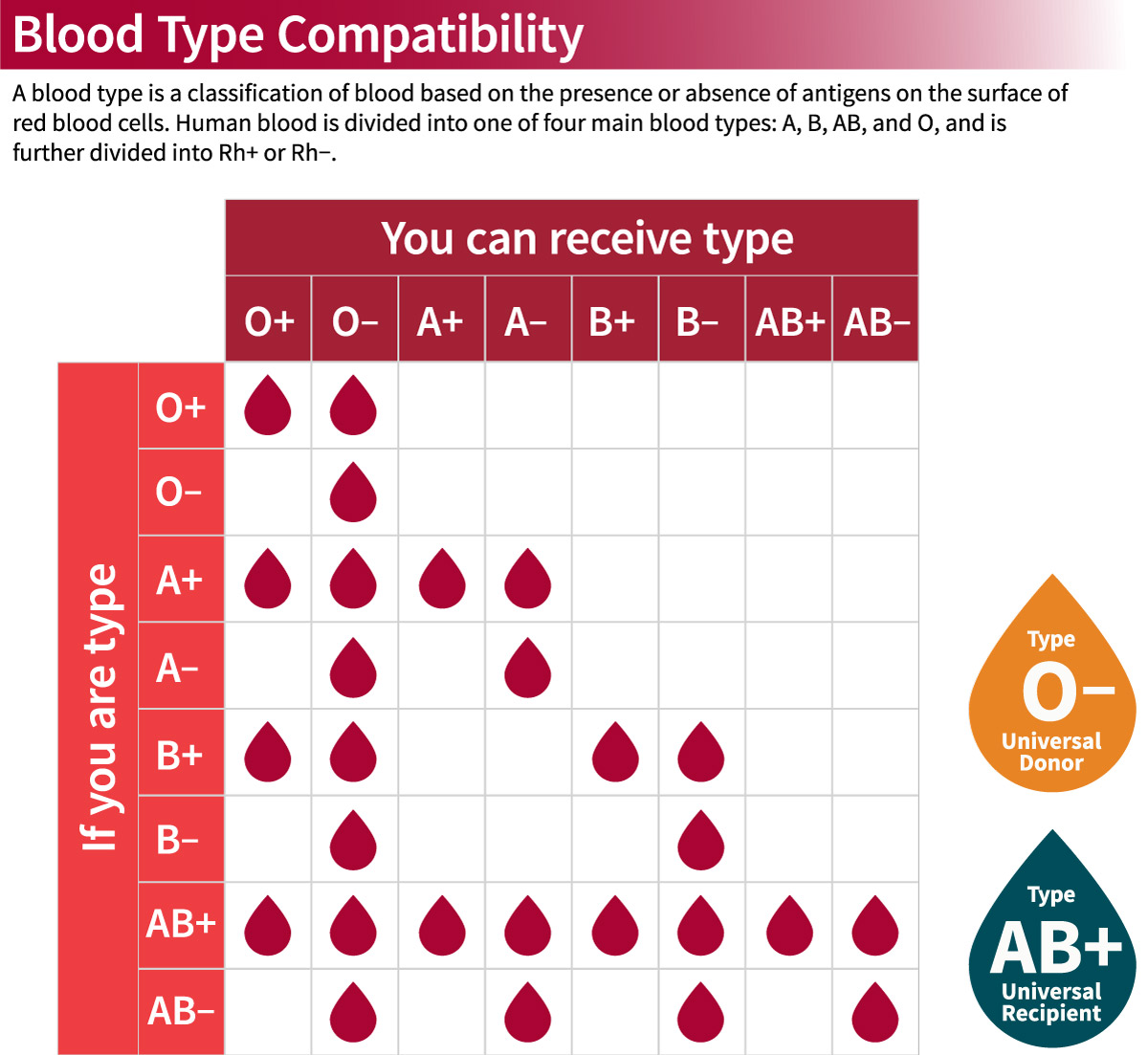
“It always weighed on me,” she said. “Someone is going to need this one day. Someone like me will need this.”
Individuals looking to donate blood can visit donate.bloodworksnw.org or redcrossblood.org/give. Bloodworks has a donation center in Silverdale at 3230 NW Randall Way.

Delaney Homewood, left, disconnects platelet donor Cathy Stone, of Gig Harbor, after her donation at Bloodworks Northwest in Silverdale on Wednesday, Jan. 28, 2026.