
Community Government
Two candidates aim to unseat freshman incumbent in 26th District Position 1 race
The race for the 26th Legislative District’s House of Representatives Position 1 includes a freshman incumbent, a challenger from his own party and a school board member who sought statewide office in 2024.
The candidates are Rep. Adison Richards, a Gig Harbor-based Democrat; political newcomer Natalie Bonfleth, a Democrat from South Kitsap; and Republican David Olson, a Peninsula School Board member who ran unsuccessfully for Superintendent of Public Instruction two years ago.
Primary election day is Aug. 4. Voters may drop ballots in ballot collections boxes by 8 p.m. Aug. 4 or mail them, so long as they are postmarked by Aug. 4. Voters can find a map of all 57 Pierce County ballot boxes here.
Candidates
Richards is a Peninsula High School graduate who grew up in the Gig Harbor area. He said his range of experience both as an attorney and as a lawmaker directly relates to the challenges district residents face, including public safety concerns and cost of living challenges.
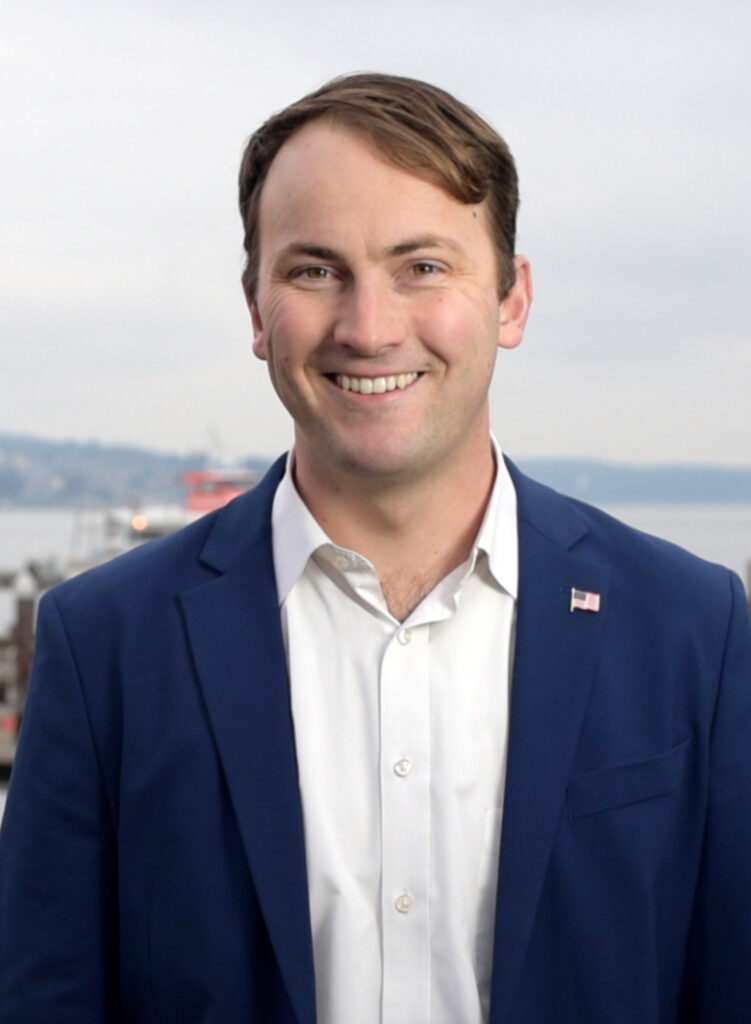
Adison Richards
Since taking office, he has worked to “ensure access to affordable housing for families struggling to make ends meet.” He said he strongly supports a quality education, which he said is the key to expanding opportunity. As representative, Richards said, he is “working to address affordability by bringing down grocery costs and standing up against new taxes on working families and seniors.”
Bornfleth grew up in South Kitsap and has worked in a variety of jobs. Though she now works as a teacher, she has also served as an Air Force logistics officer and a pipefitter at the Puget Sound Naval Shipyard. She’s also an active union advocate and a mother.
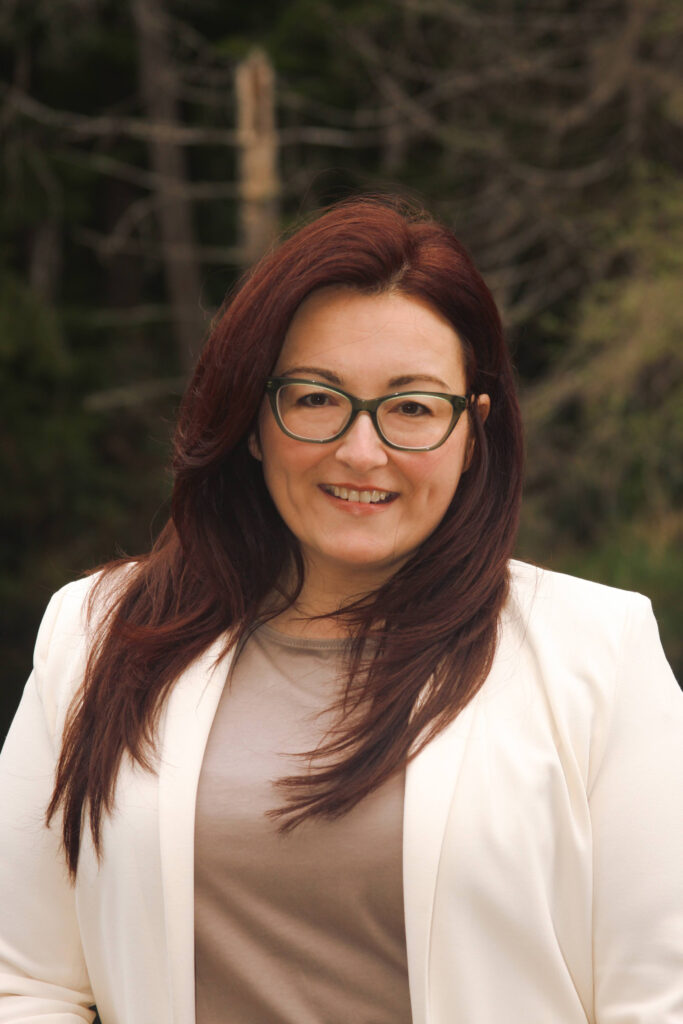
Natalie Bornfleth
Bornfleth said she’s “running because the 26th deserves an elected representative who has lived through and understands” the challenges each of these roles face, as well as the challenges of the district as a whole.
Olson is a retired Navy officer with a background in finance and is a member of the Peninsula School Board. He also served on the 2016 Pierce County Charter Review Commission and ran for state Superintendent of Public Instruction in 2024, garnering just under 47% of the vote.
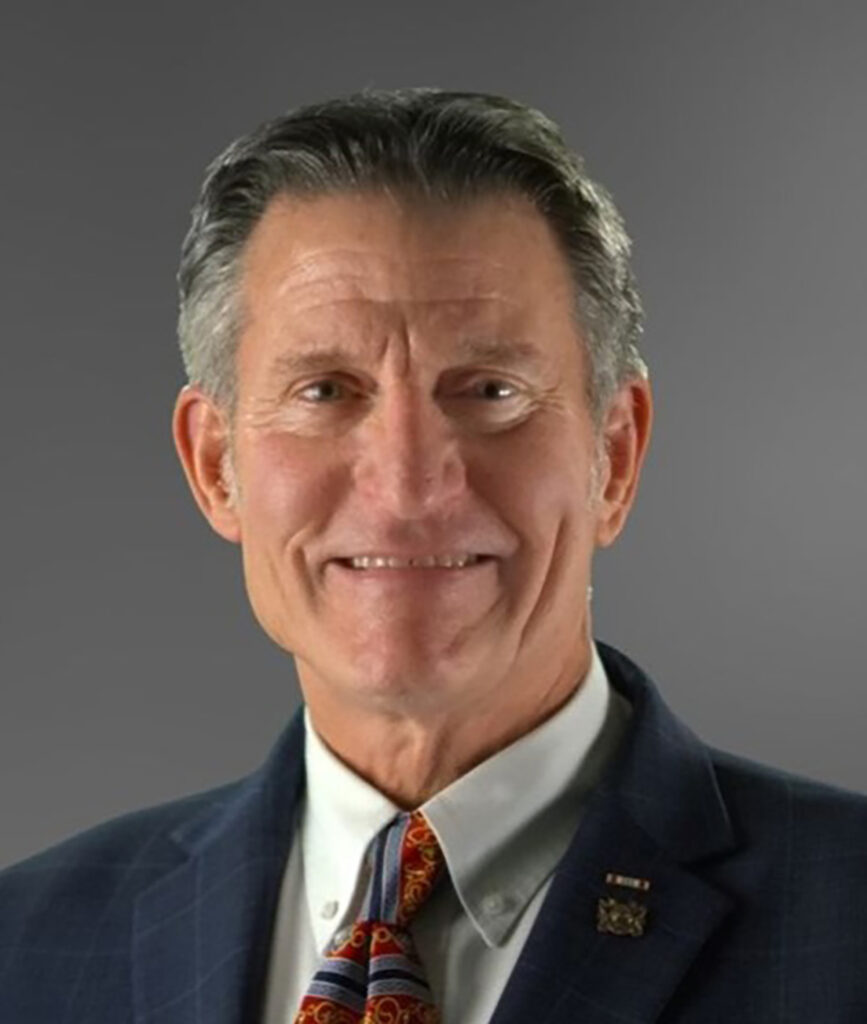
David Olson
Olson said his record in elected office should stand as his strongest qualification, and that he is running because he believes that “Olympia has lost focus and is making life less affordable while spending and taxes continue to grow without enough accountability. Families are paying more for housing, energy, transportation, and groceries, yet they are not seeing better results from government.”
Do you think that the state overall and the 26th Legislative District in specific are facing a housing shortage and a homelessness crisis? If so, how do you think the different jurisdictions in the 26th Legislative District can best meet housing need?
Adison Richards
Yes, we are facing both, but we are not going to solve the housing crisis alone. For years, King County’s solution to housing has been Pierce and Kitsap Counties. This contributes to Port Orchard being the third fastest growing city in the state, Gig Harbor facing greater need for growth, and there continues to be opportunity to focus more housing development in Bremerton, especially around the shipyard.
But the biggest driver in the lack of affordable housing in our community is the insufficient housing development happening throughout the urban I-5 core from Tacoma to Everett. As a state, we need to make it easier to build housing by streamlining permitting and regulations and specifically encourage more affordable housing growth in cities. I have supported policy to do so. Adding supply around the Sound will help bring down the cost of housing in all of the surrounding communities like ours.
Natalie Bornfleth
Yes. We need starter homes, apartments, townhomes, senior and workforce housing near jobs, schools, transit, and services across Gig Harbor, Port Orchard, Bremerton and unincorporated communities. Local governments should update zoning and permitting; the state should fund infrastructure, rental assistance, supportive housing, and homelessness prevention without pushing costs onto families already stretched thin. People who work here should be able to live here.
David Olson
Washington and the 26th District face a housing shortage, although homelessness is not equally visible in every community. Gig Harbor has not experienced the same level of street homelessness seen in parts of Bremerton, Port Orchard, or Pierce County, but high costs and limited supply affect the entire district. Teachers, nurses, shipyard workers, first responders, seniors, and young families struggle to live near work.
The state should help local communities increase housing without imposing the same solution everywhere. We need faster, predictable permitting, reasonable fees, adequate infrastructure, and more housing choices, including accessory dwelling units, townhomes, condominiums, apartments, workforce housing, and senior housing.
The Legislature should revise the Growth Management Act and give local governments greater flexibility to expand Urban Growth Area boundaries where infrastructure can support growth.
Opening more suitable land for housing would increase supply and reduce pressure on prices.
Homelessness requires more than building units. Cities, counties, behavioral-health providers, nonprofits, and law enforcement must coordinate housing assistance, mental-health and addiction treatment, eviction prevention, and outreach. Programs should be measured by results, and public spaces must remain safe and usable.
The goal should be compassionate but accountable: prevent homelessness, connect people with services, and increase the supply of homes working families can afford.
Gov. Ferguson last month warned agencies that they will have to prepare for significant budget shortfalls in the transportation and operating budgets for the next two years. Where do you think the state should cut spending?
Bornfleth
Start with administrative overhead, management layers, consultants, IT contracts, underused offices, change orders, and corporate tax breaks without public benefit. I would not cut essential services: health care, rental assistance, education, child care, ferries, bridge preservation and behavioral health funding. Working families should not pay first.
Olson
The state should not begin with careless cuts to public education, public safety, services for vulnerable residents, or transportation maintenance. It should begin with disciplined spending management.
I would require independent performance audits of major agencies and programs, review vacant and duplicative positions, reduce unnecessary administrative overhead, limit outside consulting contracts, consolidate overlapping programs, improve procurement, and suspend new initiatives that lack measurable results or sustainable funding.
The Legislature should also review grants, pilot programs, and tax preferences to determine whether they have achieved what lawmakers promised. Programs that work should be protected.
Programs that are ineffective should be corrected, consolidated, or ended.
Transportation spending should prioritize ferry reliability, preservation and maintenance of existing roads and bridges, and completion of projects already underway before adding lower-priority commitments. The operating budget should protect education, public safety, earned pension benefits, behavioral health, and essential services while slowing administrative growth.
During my 2024 campaign for Superintendent of Public Instruction, I called for an independent outside audit of OSPI and the state education budget. That same standard should apply throughout state government. Taxpayers deserve to know what they are receiving for every dollar before the Legislature asks them for more.
Richards
The taxpayers expect us to take a critical look at our spending in the budget even when we aren’t in a deficit scenario to ensure we are delivering on what we expect from our tax dollars. Unfortunately, I’m not convinced that is happening enough. We need to be examining current spending across programs, especially those expanded or added over the past 6 years, to measure if outcomes are being achieved, and to reduce or reallocate spending accordingly. I want to protect the core integrity of programs, move towards policy goals like Pre-K for all, and avoid cutting services people depend on wherever possible.
What are your thoughts on the income tax on high earners the Legislature passed last session? Do you support it, or would you repeal it?
Olson
I oppose the new 9.9% tax on income above $1 million and would vote to repeal it. Washington’s lack of a personal income tax has long been a competitive advantage, helping attract entrepreneurs, businesses, investment, and high-paying jobs. Creating one gives business owners and investors another reason to relocate or expand elsewhere.
Supporters say it affects only a small number of households. But the law contains no meaningful guardrails preventing a future Legislature from lowering the threshold, broadening the tax base, or increasing the rate. Once the legal and administrative structure exists, there is nothing preventing today’s millionaires’ tax from becoming tomorrow’s tax on many more families.
This concern is not limited to Republicans. The Seattle Times Editorial Board opposed the tax, and former Democratic Gov. Christine Gregoire recently criticized the majority’s dramatic spending growth, saying “…we don’t really have an income problem; we have a spending problem.”
Families across the political spectrum tell me they are overwhelmed by taxes, fees, and rising costs. Before creating a new tax structure, Olympia should audit programs, control spending growth, eliminate duplication, and prove existing revenue is being managed effectively.
This is about Washington’s competitiveness, public trust, and preventing a limited income tax from becoming a full-blown income tax.
Richards
I voted against the income tax for two main reasons: first, I do not believe that it did enough to provide real tax relief to working families and seniors. We cannot solve our state’s unfair, regressive tax system just by raising taxes – we must also put money back in the pockets of regular folks. That’s more important than ever with rising costs for housing, healthcare, and everyday items in-between and with a concerning rise in unemployment. I voted in favor of an amendment that would have done that by reducing the State’s Sales Tax, as well as putting the measure to the voters for approval. Unfortunately, those amendments fell short and so this bill didn’t provide the kind of relief that I think our community needs. Finally, I wanted to ensure that any revenue was directed toward very specific priorities like education and healthcare, and unfortunately, amendments to do so also failed to pass.
Bornfleth
I support it. Washington asks too much from working families in sales and property taxes and too little from millionaires and billionaires. The bill isn’t perfect, as it rolled back $500 million dollars in tax breaks to the ultra wealthy which we could’ve used to balance the budget, but it is a strong start toward a fairer tax code that can fund schools, health care, transportation, and tax relief for families in our district. I would have voted yes.