
Community Government
Challengers emerge for both 26th District state representatives
Both House positions in the state’s 26th Legislative District — which spans the lower half of the Kitsap Peninsula — will see competitive races this fall, as candidates this month have started to announce campaigns for office.
Renee Hernandez Greenfield, a Democrat, will run for a state House seat currently held by Rep. Michelle Caldier Valdez, R-Gig Harbor. Meanwhile, David Olson and Katy Cornell, Republicans from Gig Harbor, confirmed they would challenge incumbent Rep. Adison Richards, D-Gig Harbor, who holds the district’s other House seat.
Washington’s 26th Legislative District includes Gig Harbor, the Key Peninsula, Port Orchard and part of Bremerton. It is one of only two districts in the state represented by legislators from both major parties.
Hernandez Greenfield challenges Caldier Valdez
Hernandez Greenfield, a college instructor who works at the Holly Ridge Center in Bremerton, announced her campaign Jan. 9. In a statement, she touted her two decades experience working inside classrooms and navigating public systems on behalf of families.
“Too many decisions are being made by people who never have to live with the consequences,” she said. “Families are stretched past the breaking point. Workers are exhausted. Educators, first responders, and public servants are being asked to hold everything together while being told to do more with less.”
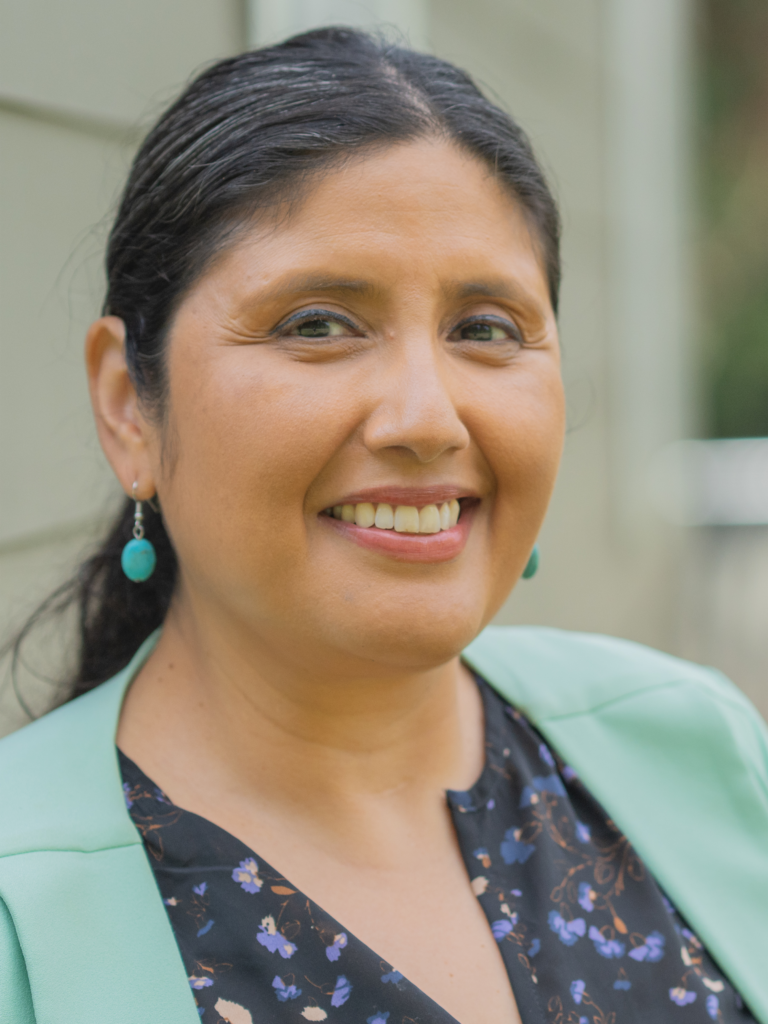
Renee Hernandez Greenfield
Caldier-Valdez is serving her sixth term in the Legislature. She confirmed in a text message Friday plans to seek another term, but declined to comment further. Last year, Caldier-Valdez ran and lost a special election Senate race against Sen. Deb Krishnadasan, D-Gig Harbor.

Michelle Caldier Valdez
Formal filing in May
Krishnadasan was appointed to her seat in 2024, filling a vacancy left by Emily Randall’s election to Congress. County officials selected her over Hernandez Greenfield, who was one of three finalists for the appointment.
Krishnadasan is the only candidate who appears to be seeking the 26th District Senate seat so far. After her appointment, she won a special election last year for another year in office. The seat is returning to its regular four-year cycle.
The campaign announcements come months before the May candidate filing deadline for the 2026 general election. All 98 seats in the House and about half of the 49 seats in the Senate will be on the November ballot.
Two Republicans to challenge Richards
Richards, serving his first term in office, confirmed in a phone call he would seek re-election. A graduate of Peninsula High School, Richards is a nonprofit attorney who has worked for the Northwest Justice Project and Kitsap Legal Aid Services.
“There’s a lot of work I’m excited about,” he said. “It’s been the privilege of my life to serve the place where I grew up.”
Olson, a retired Navy officer, has served over 12 years on the Peninsula School Board and ran for the State Superintendent of Public Instruction in 2024, which oversees the state’s public schools. He works as a public finance banker.
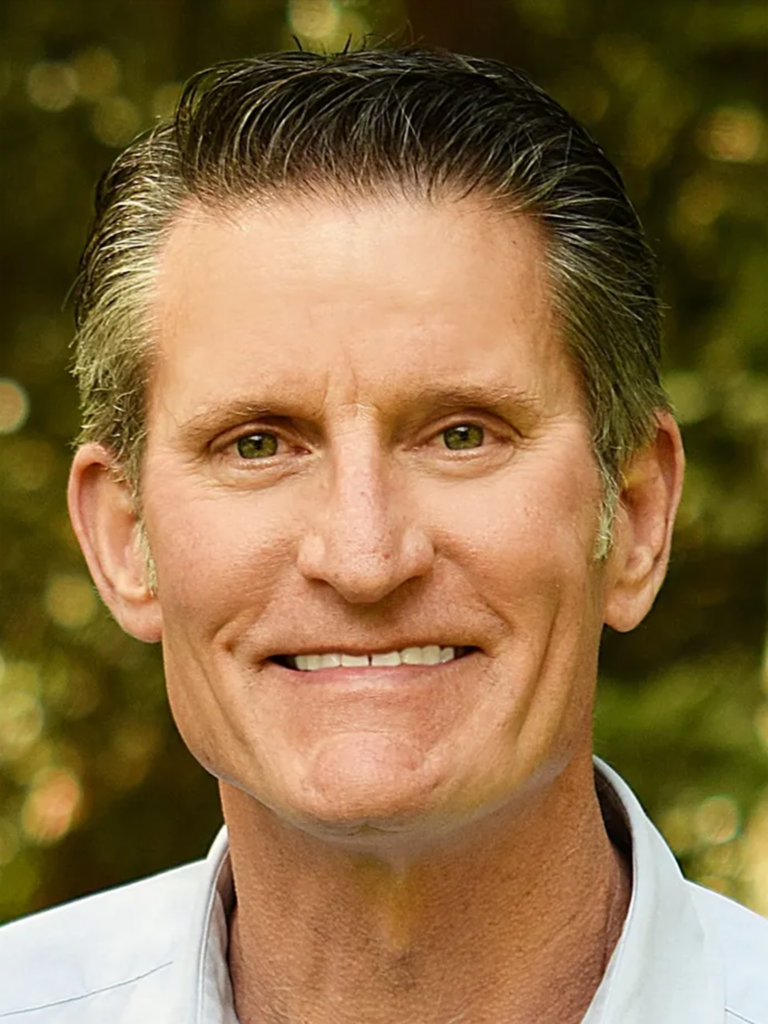
David Olson
Olson said he has long been a champion for public schools and is running to push the state to fully fund education, saying it has undercut special education and transportation programs.
“There’s been a lot of empty promises over the years,” he said, referring to the state’s efforts on education. “They raised taxes last year and did nothing for education.”
Cornell is the founder and current president of Walk in Our Light, a nonprofit providing wells and other services to vulnerable communities primarily in the West African country of Burkina Faso. She and her husband are pastors and established SOZO Church, which has locations in Tacoma and Belfair. Cornell also launched Victory Blueprint Group, a political company that she said oversaw three campaigns last year.
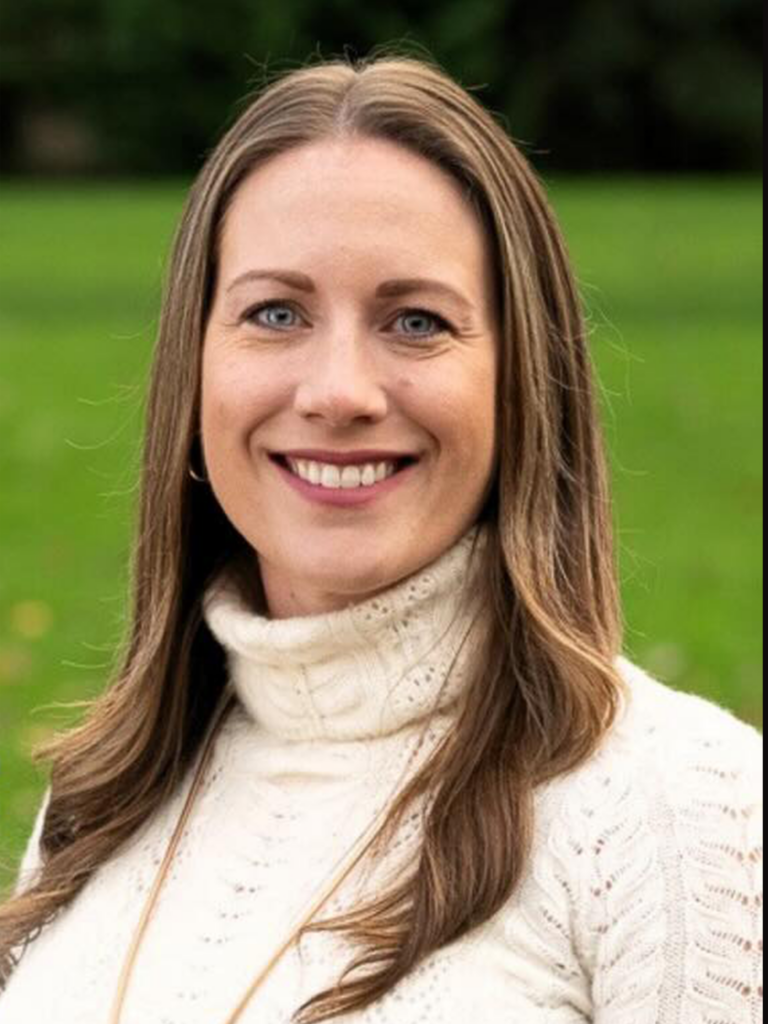
Katy Cornell
Raised in Port Orchard, Cornell emphasized how the opportunities available for her growing up are now dwindling for the next generation. Many families and small businesses are feeling priced out of the community by the rising cost of living and decisions made by state leaders, she added.
“I think as the Democrats have garnered more of a majority in our state, little by little things started changing and it got so expensive,” Cornell said. “Affordability has continued to decline and taxes have gone up.”