Community Government
Four candidates step into the ring for Position 2 in the 26th District
When Rep. Michelle (née Caldier) Valdez opted not to run for re-election, there was no shortage of candidates vying to replace her.
Hopefuls appearing on the Aug. 4 primary ballot include Katy Cornell, Renee Hernandez Greenfield, Randy Phillips and Tedd Wetherbee.
Primary election day is Aug. 4. Voters may drop their ballots in ballot boxes by the end of the day on Aug. 4, or send them through the mail, as long as it is postmarked by Aug. 4. Voters can find a map of all 57 Pierce County ballot boxes here.
Candidates
Cornell, a Republican, was born and raised in Port Orchard and lives on the peninsula with her husband and children. For more than 18 years, she has led Walk In the Light International, a Belfair-based Christian nonprofit that conducts missionary work, builds churches and provides basic infrastructure creation and health care in West Africa.
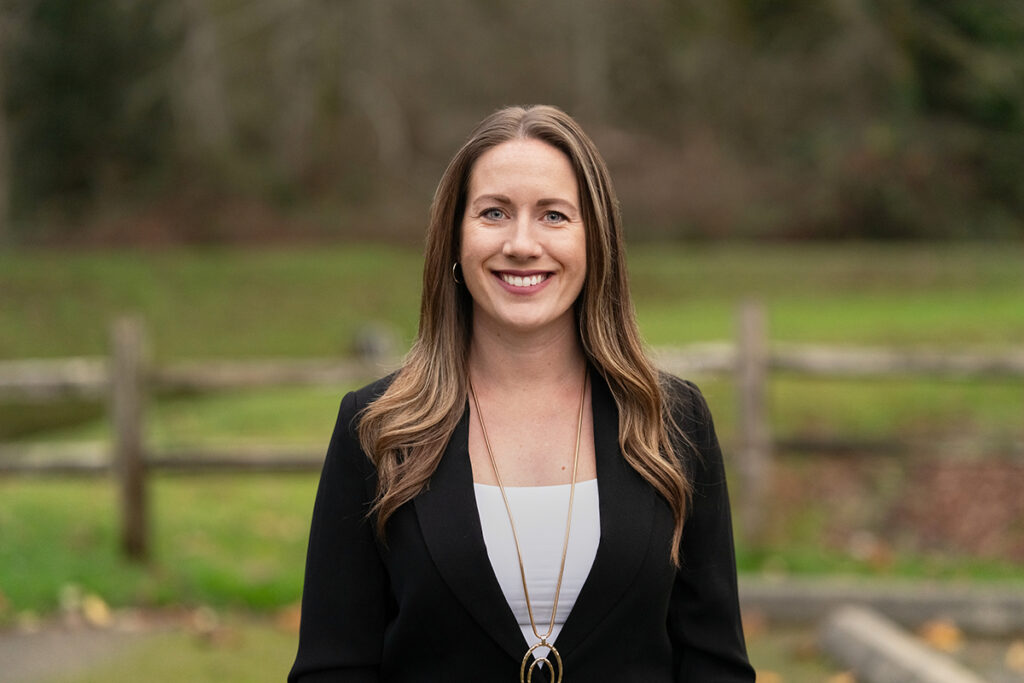
Katy Cornell
She said she is running because she believes that the state is “heading in the wrong direction. Everywhere I go, I hear from families who are struggling with rising costs, businesses facing more regulations, and communities concerned about public safety and housing. I’ve spent my career bringing people together, solving problems, and making limited resources go further.” She said that she wants to bring her experience to the Legislature “by focusing on affordability, strengthening our economy, improving public safety, and restoring trust that the government can work for the people it serves.”
Hernandez Greenfield, a Democrat, has lived in the district for 24 years, first moving here as part of a military family. She said that she decided to stay, following service, because “this community became home. It is where my husband and I are raising our son and where I have dedicated my career to serving children and families.”
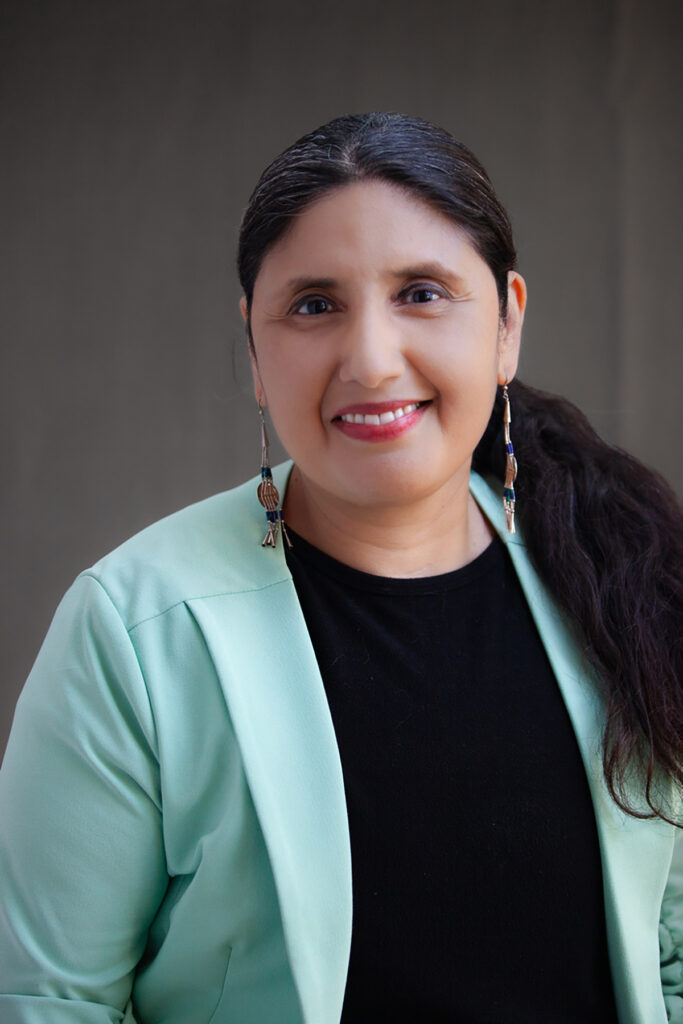
Renee Hernandez Greenfield
Hernandez Greenfield works as a development specialist at Holly Ridge Center, which provides early intervention services for infants and toddlers with disabilities, and has worked in a broad range of educational programs and child intervention services throughout her career, including with the Early Head Start and Head Start programs, and with Child Protective Services for the Suquamish Tribe. What she has witnessed over the course of her career is also what inspired her to run.
“Families are struggling with housing costs, childcare shortages, access to healthcare, and the rising cost of living,” she said. “I see these challenges every day, and I believe our Legislature must do more to meet people where they are. I am running to bring the perspective of someone who has spent her career solving problems alongside families and communities.”
Phillips does not align with any specific party, and said he is not a career politician.
“I am tired of people expecting less from their government. We need leaders in Olympia who fight for ordinary people. Not cookie-cutter politicians hiding behind big money, rehearsed talking points, and polished excuses,” he said. “My story is one of perseverance.”
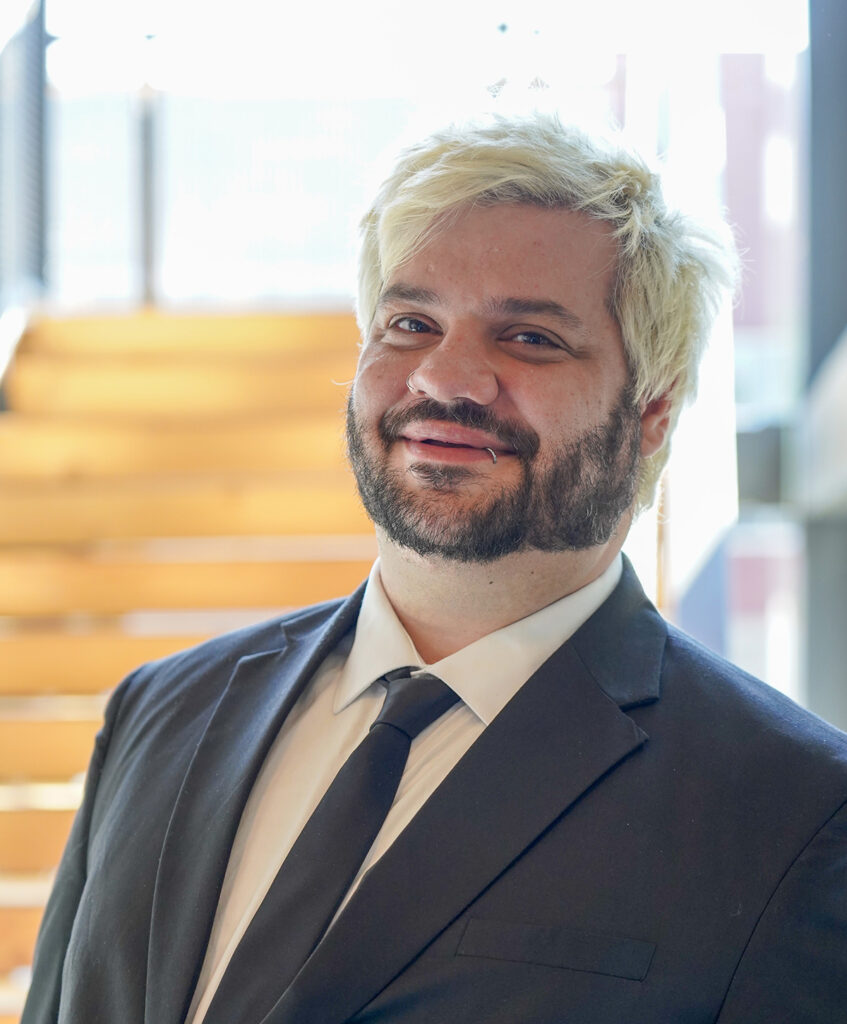
Randy Phillips
Phillips said that after graduating high school in 2006, he spent about 10 years living paycheck to paycheck. The COVID pandemic nearly killed the live entertainment business he started in 2019, but he switched to an online model to keep it alive.
He returned to school in 2021 at Tacoma Community College, where he earned associate’s and bachelor’s degrees in business. He served for three years as the president of the Associated Students of Tacoma Community College and as vice president of Federal Affairs for the Washington Student Association and president of the United States Student Association.
Democratic candidate Tedd Wetherbee also comes from a business background. The longtime resident of the 26th District and father said that he was one of the first to sell recreational marijuana following its legalization in Washington in 2012. His business now employs more than 80 people throughout the state.
Wetherbee said that he grew up in a working-class family, paid his way through school and worked internationally on humanitarian and infrastructure projects. It’s this background that informs his decision to run.
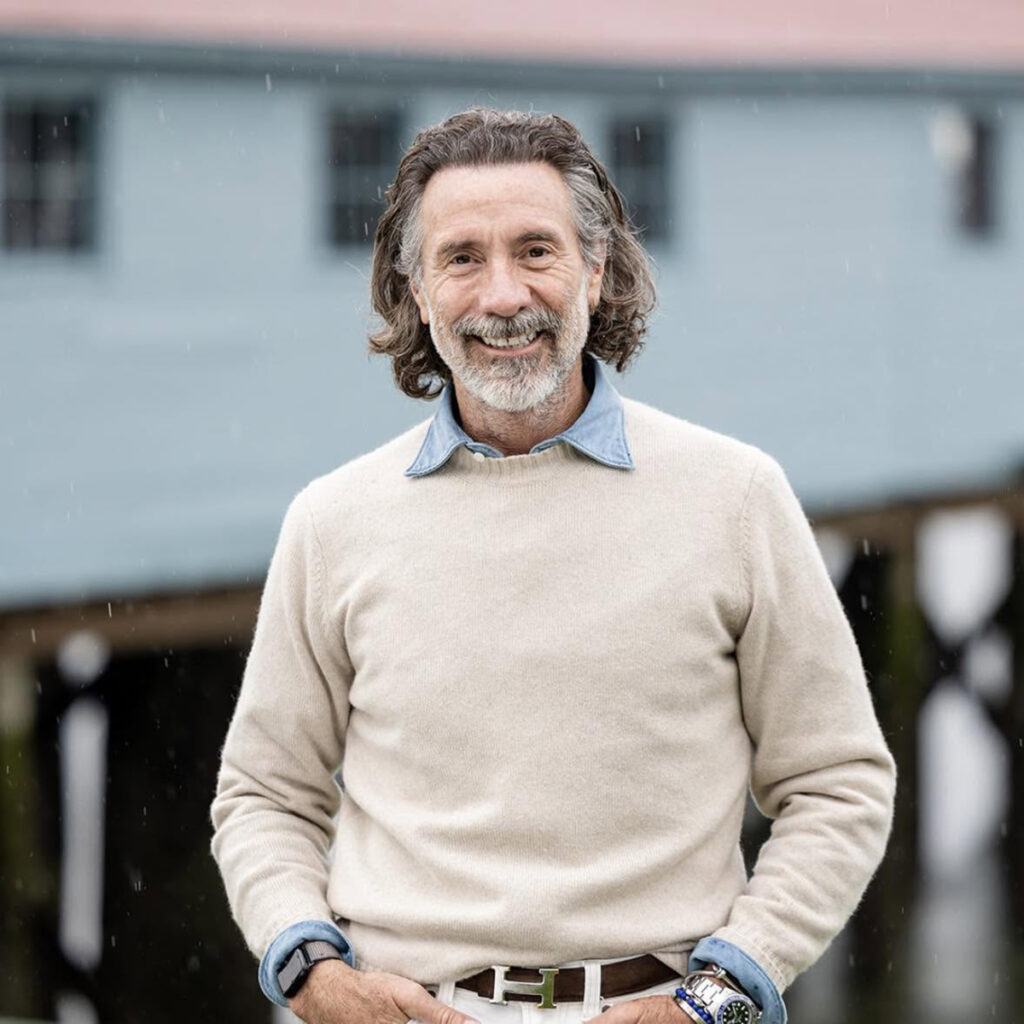
“I decided to run because I believe government should work better for working families, small businesses, seniors, students, and communities like ours,” he said. “I’ve spent years advocating in Olympia and know how policy affects people on the ground.”
Do you think that the state overall and the 26th Legislative District in specific are facing a housing shortage and a homelessness crisis? If so, how do you think the different jurisdictions in the 26th Legislative District can best meet housing need?
Cornell
Yes. The 26th District has different communities with different housing needs, but across the district we simply don’t have enough housing. If we want to make housing more affordable, we have to address the policies that make it so expensive to build. That means streamlining permitting, reducing unnecessary regulations, reviewing parts of the Growth Management Act that are driving up costs, expanding housing options where it makes sense, and removing barriers that delay projects and increase prices for families.
Housing affordability and homelessness are connected, but they are not the same issue. Homelessness has many different causes, and our response should reflect that. For someone who has simply fallen behind financially, the solution may be more affordable housing or short-term assistance. For someone struggling with addiction or severe mental illness, housing alone is not enough.
I believe housing assistance should be paired with treatment, recovery, and accountability so people have the support they need to rebuild their lives. We should also strengthen partnerships with local nonprofits, faith-based organizations, and community providers that are already doing incredible work. By improving coordination and focusing on results, we can help more people move from homelessness to long-term stability while making our communities safer and ensuring taxpayer dollars are being used effectively.
Hernandez Greenfield
Across Gig Harbor, Bremerton, Port Orchard, and the Key Peninsula, working families, seniors on fixed incomes, and young people trying to buy their first home are being priced out of communities where they have lived for years. Entry-level homes that a teacher, firefighter, shipyard worker, or childcare provider could have bought decades ago are simply out of reach today. The housing shortage and homelessness crisis are real across the 26th Legislative District.
To address the district’s housing needs, we need a coordinated approach to increase housing supply across the district. That means updating zoning to allow more housing types in more places, streamlining permitting so projects actually get built, and investing in the infrastructure that makes new development possible. The state has a role in setting minimum standards when local jurisdictions are not meeting regional needs, and the ADU and middle housing requirements from recent legislative sessions were the right move.
For people experiencing homelessness, we need a Housing First approach. People who are stabilized in housing are more likely to engage with services and remain housed. This must be paired with serious investment in behavioral health, substance use treatment, disability services, and other supports for people with complex needs. Without those supports, many people struggle to achieve long-term housing stability.
Randy Phillips
I will say that I think housing and homelessness are problems that affect not only Washington and the 26th, but our country as a whole. We have fast-growing areas like Gig Harbor and Bremerton, and the rural parts of Kitsap and Mason Counties, but we all share the same underlying problem. There aren’t enough homes at enough price points for the people who live and work here.
Housing isn’t just about affordability; it’s about availability. Nurses, teachers, first responders, young families, and seniors should all be able to find housing in the communities they call home. When supply fails to keep up with demand, prices rise, people become displaced, and homelessness becomes even harder to address.
My solution requires partnership. I think the state needs to set clear goals and remove any unnecessary barriers that would make those goals unreachable. Local governments should retain the flexibility to shape growth in ways that make sense for their communities. I think we need to see movements towards streamlining permitting and encouraging a wider variety of housing types. Investing in transportation and utilities that support responsible growth, while we maintain our environment’s critical resources, is a great place to start.
Tedd Wetherbee
Yes. Washington and the 26th District are facing both a housing shortage and a homelessness crisis. We need more housing of all types: workforce housing, senior housing, starter homes, ADUs, duplexes, triplexes, apartments near transit, and supportive housing for people with complex needs.
The cities and counties in the 26th should work together instead of pushing the problem from one jurisdiction to another. That means updating zoning where appropriate, speeding up permitting, investing in infrastructure, protecting tenants from displacement, and partnering with nonprofits and service providers. We also need behavioral health, substance-use treatment, and case management, because homelessness is not solved by housing alone.
Gov. Ferguson last month warned agencies that they will have to prepare for significant budget shortfalls in the transportation and operating budgets for the next two years. Where do you think the state should cut spending?
Hernandez Greenfield
Budget shortfalls and proposed service cuts are always difficult and require honest conversations. My starting position is that before we cut services communities depend on, we need to have a serious conversation about revenue. Washington’s tax structure is one of the most regressive in the country. The bottom fifth of earners pay more than three times the share of their income in state and local taxes that the wealthiest households pay. The millionaires’ tax and continued progressive revenue reform are the right first steps. Cutting behavioral health, early learning, or public schools to protect the wealthy from contributing their fair share is not a tradeoff I will make.
That said, every budget contains programs that are duplicative, outdated, or not achieving measurable results. I support honest program evaluation and will not defend spending that isn’t delivering results.On transportation specifically, I want to understand where the shortfalls are concentrated before committing to cuts. Some transportation investments, particularly those that reduce long-term maintenance backlogs, cost more to defer than to fund. Cuts that create larger problems later are not fiscal responsibility. It’s borrowed time.
Cornell
I believe we need to start by funding the state’s core responsibilities, education, public safety, infrastructure, protecting vulnerable children, and caring for our seniors, veterans, and people with disabilities.
That said, no part of the budget should be exempt from accountability. Our largest budget areas should be regularly evaluated to ensure they’re delivering results. Simply spending more money doesn’t always produce better outcomes. We should measure what works, fix what doesn’t, reduce duplication, and modernize government so every taxpayer dollar has the greatest possible impact.
Washington families have to live within a budget, and the state government should do the same. Before asking taxpayers to pay more, we should reduce unnecessary administrative overhead, eliminate programs that aren’t producing measurable results, improve coordination between the state, counties, local governments, and nonprofits, use technology to streamline services and permitting, review mandates that add costs without improving outcomes, and prioritize maintaining our existing roads, bridges, and ferries before taking on lower priority projects. I believe we can help more people while spending taxpayer dollars more wisely. A balanced budget isn’t about cutting essential services, it’s about improving them, setting clear priorities, and ensuring every dollar delivers real value for the people of Washington.
Phillips
Washington is facing real budget challenges. We can’t ignore that. Balancing the budget shouldn’t start with cutting the services people rely on most. I would begin by reviewing programs that are not meeting measurable outcomes or creating unnecessary administrative costs. Every agency should be able to demonstrate that our dollars are producing real results.
I would protect investments that are geared towards strengthening our future. I’m talking about education, transportation infrastructure, and public safety. But I want to look for opportunities to modernize government by consolidating overlapping functions and eliminating outdated or ineffective programs. Before we ask taxpayers to pay more for anything, we should make sure that we’re spending the dollars efficiently and effectively.
My approach is simple. Government should be judged by outcomes. If a program is delivering measurable value, let’s support it. If it isn’t, we should reform or end it. Taxpayers deserve a government that is transparent, accountable, and focused on results rather than red tape and bureaucracy.
Wetherbee
Gov. Ferguson’s budget office recently warned agencies to prepare for significant shortfalls in both the operating and transportation budgets.
I would start by reviewing programs for effectiveness, duplication, and outcomes before cutting services families rely on. I do not support balancing the budget on the backs of working people, students, seniors, people with disabilities, or vulnerable communities.
We should pause unnecessary new programs, reduce administrative duplication, examine consultant and contracting costs, and make sure transportation dollars are going to projects that actually improve safety, mobility, and reliability. In the 26th, that means accountability on ferries, the Gorst Corridor, and basic infrastructure.
What are your thoughts on the income tax on high earners the Legislature passed last session? Do you support it, or would you repeal it?
Phillips
Washington’s tax system asks more from working families than it should, so I think it’s fair to look at ways to make it more balanced. I support asking the highest earners to pay more if those dollars are used to improve education, transportation, and other important public services. But raising taxes is only part of the job. The state also has to prove it is spending that money wisely.
Taxpayers deserve to know where their money is going and what results it is getting. I would not make repealing this tax a priority. My focus is on making government work better by cutting waste, improving how programs are run, and making sure every tax dollar is used responsibly. Good government isn’t about spending more or spending less. It’s about spending smart.
Wetherbee
I support making Washington’s tax code more fair. Washington has one of the most regressive tax systems in the country, and working families pay too much while the wealthiest often pay a smaller share of their income.
The high-earners tax passed in 2026 applies to household income over $1 million and is set to take effect in 2028. I would not repeal it. I support asking the wealthiest households to contribute more so we can fund childcare, education, healthcare, transportation, and tax relief for working families and small businesses.
At the same time, I believe any tax policy should be transparent, legally sound, and tied to real relief for the people who need it most.
Hernandez Greenfield
Washington State has had one of the most regressive tax structures in the country for decades. An income tax on high earners is a step in the right direction that I support and would not repeal.
Washington’s tax structure places a disproportionate burden on working families and people living on fixed incomes. The bottom 20 percent of earners have paid roughly 14 percent of their income in state and local taxes, while the top one percent has paid just over four percent, with public education, childcare, public safety, transportation, and other essential public services paying the price during every tight budget year.
Some argue that Washington has a spending problem rather than a revenue problem. I believe we have a responsibility to evaluate every public dollar carefully, hold programs accountable for delivering results, and ensure our tax system is fair. An income tax on high earners helps correct this imbalance. It asks those with the greatest ability to contribute to pay more and generates revenue for the public investments that the 26th District, and every district in our state, needs. Arguments for repeal often focus on economic competitiveness. The evidence from comparable measures in other states does not support claims that high earners will leave at the scale opponents suggest. What drives people away is the inability to afford housing, childcare, or a stable life.
Cornell
Washington has long operated without an income tax, and I believe we should be cautious about creating new taxes that move us in that direction. I would repeal the income tax on high earners.
I’m also concerned about the impact on Washington businesses. Many small and midsized businesses are structured as pass through entities, with business income reported on the owner’s personal tax return. While this tax targets high earners, it can affect entrepreneurs who are reinvesting in their businesses, creating jobs, and growing our economy. More importantly, I don’t believe new taxes solve a spending problem. If we don’t address the root issue of how we budget, prioritize, and measure results, we’ll continue facing the same challenges year after year.
I also understand many Washingtonians worry an income tax could expand over time. I support balancing our budget through smarter spending, stronger accountability, and economic growth, not higher taxes. I’m open to conversations about long term tax reform, but those discussions should begin with making state government more effective and accountable and include our counties, cities, and local communities, because changes to our tax system affect every level of government.