
Community Government
26th District Senate race matches Republican businessman against Democratic incumbent with school board background
State Sen. Deb Krishnadasan is facing a challenge from Republican Gary Parker this fall, as she looks to win re-election in Washington’s 26th Legislative District.
The district — covering Gig Harbor, the Key Peninsula, Port Orchard and part of Bremerton — is one of only two purple districts in the state, with both Democrats and Republicans in office. Its battleground status makes it a regular priority for both parties and outside donors.
Democrats control 30 of the 49 state Senate seats, including the 26th District position since 2019. Krishnadasan, D-Gig Harbor, is seeking her first full, four-year term after taking office in 2024.
The incumbent won the primary election with 56% of the vote. Parker earned just shy of 44%.
Deb Krishnadasan
After years working as a board member and volunteer with the Peninsula School District, county leaders appointed Krishnadasan to the Senate at the end of 2024. She filled a vacancy left by U.S. Rep. Emily Randall, D-Bremerton, who resigned to serve in Congress.
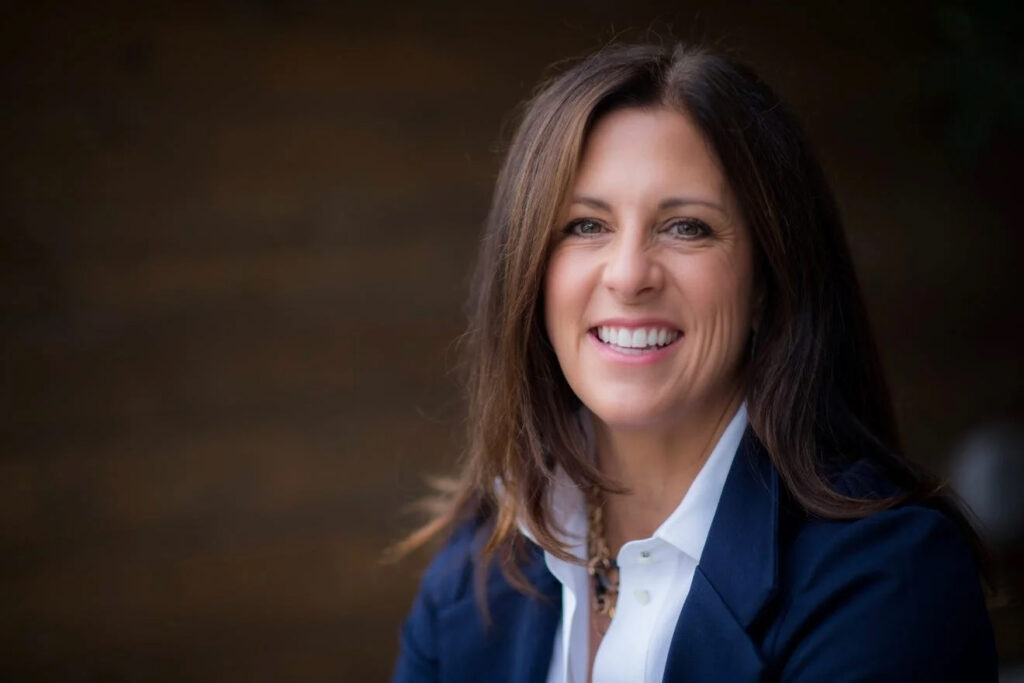
Deb Krishnadasan
A year later, Krishnadasan was elected to a second one-year term during a special election. Voters selected Krishnadasan over six-term state Rep. Michelle Valdez, R-Gig Harbor, allowing her to finish the remainder of Randall’s term.
Now the Senate seat will return to its regular cycle, with the winner serving four years in office.
Gary Parker
Parker, of Gig Harbor, is attempting to become the first Republican to win a Senate election in the district since Jan Angel.
The philanthropist and retired engineer owns BBQ2U, a popular restaurant in Gig Harbor. Parker volunteers with the Gig Harbor Chamber of Commerce and founded Olympic Civic Services, a nonprofit focused on serving seniors and veterans.

Gary Parker
He has no elected experience, though he ran unsuccessfully for Pierce County’s nonpartisan charter review commission in 2025.
Ahead of the Election Day on Nov. 3, Gig Harbor Now sent a list of questions to both candidates. Parker did not return multiple messages seeking comment. Krishnadasan’s responses are published below. They have been lightly edited for clarity and formatting.
Please tell us about yourself and your qualifications.
Deb Krishnadasan
I’m a lifelong Washingtonian, raised in a union family, and the first in my family to graduate from college. My careers in development with Cystic Fibrosis Foundation and human resources at Visio and Microsoft taught me to build relationships, solve problems, and bring people together to get things done.
I was elected to the Peninsula School Board and served six years, including two as president. I navigated budgets, oversaw public investments, and led efforts to unite our community behind a school bond that earned 67% approval, delivering four new elementary schools and two modernized middle schools.
I’ve served as your state senator for two legislative sessions, following my appointment in 2024 and a special election in 2025. I’ve worked across party lines to expand property tax relief, protect reproductive freedom, and improve childcare access. I secured funding for PSD’s aviation program and West Sound Tech Skills Center, expanding students’ pathways to good-paying careers.
I am vice chair of the Transportation Committee and the Agriculture and Natural Resources Committee, and a member of the Early Learning and K-12 Education Committee.
I bring experience building coalitions to deliver results and a commitment to representing our district’s diverse communities with balance and accountability.
Housing in Gig Harbor and elsewhere has grown increasingly more expensive. What is one action the state should take to make housing more affordable?
Krishnadasan
One action the state should take is to speed up permitting. Reducing duplicate inspections, setting clear timelines, and improving permit processing can lower building costs while maintaining safety standards.
Last year, I introduced legislation that passed the Senate to streamline state agency permitting and make the process more timely and predictable. Delays can add thousands of dollars to a project, costs that can ultimately fall on homebuyers.
As we work to increase housing supply and reduce housing prices, we must also plan for and invest in the infrastructure needed to support growth. In Gig Harbor and across our district, allowing more homes does little good if water, sewer, roads, and other essential infrastructure cannot accommodate them. The state should partner with local governments to ensure housing growth is supported by the services new and existing residents need
Last month, Washington Superintendent of Public Instruction Chris Reykdal requested an additional $2 billion over the next biennium to support basic education. Do you support this request?
Krishnadasan
My experience as a Peninsula School Board member taught me that schools need both adequate funding as well as attention to what drives their expenses. Much of the $2 billion request addresses rising operating costs. Just as families face higher household bills, school districts face increases across multiple facilities and services that support thousands of students. Rising insurance, utilities, and transportation costs are putting significant pressure on classroom budgets.
I support increasing funding for basic education. Given the budget challenges ahead, however, we must evaluate this funding request alongside opportunities to lower costs so more dollars support student learning.
My approach is to invest in education while helping districts operate more affordably. We need sustainable funding that gives our schools the stability and support they need to help students succeed.
Should voters elect you to the Senate, what is one policy that you would introduce and how would it benefit residents in Gig Harbor?
Krishnadasan
I would reintroduce my bill to lower the school bond approval threshold from 60% to a simple majority. When most voters support investing in their schools, their decision should count.
Peninsula School District experienced repeated bond failures over many years. In 2018, our bond received 59% support and still failed. The following year, we earned 67% approval, making possible four new elementary schools and two modernized middle schools. Years of delay kept students in overcrowded, aging facilities and significantly increased the eventual cost of construction. This is a story that repeats itself across the state every year as underfunded communities struggle to pass bonds to repair their crumbling schools.
School bonds fund safe buildings, modern classrooms, and spaces that prepare students for careers. Requiring a supermajority allows a minority of voters to block these investments, even when most voters support them. Simply put, that is not fair to our students.
A simple majority would still respect local voters’ authority to decide whether to tax themselves to support their schools.